Sola Sound
Tone Bender MkII
A session man asked for more sustain, and three transistors later the first Zeppelin album had its thunder.
London, November 1966. An advert in Beat Instrumental announces the Professional MK II, a Tone Bender electronic fuzz unit, a Gary Hurst design, sold through the Macari brothers’ shops under the Sola Sound name. Two knobs, Level and Attack, and a third transistor the last one didn’t have.
- Introduced
- 1966
- Effect
- Fuzz
No photograph of this pedal yet. Have one? Send a picture
The short version
1964
Sola Sound
Brothers Joe and Larry Macari create the Sola Sound brand for their Macari’s Musical Exchange shops.
1965
The first Tone Bender
Session guitarist Vic Flick asks Gary Hurst for a Maestro-style fuzz with more sustain, and by September the Macaris are selling it.
1966
Down to two
Early in the year the MkI.5 arrives, with two transistors in a sandcast aluminium box.
1966
The Professional MK II
Back to three transistors with an extra gain stage, advertised in Beat Instrumental in November as a Gary Hurst design.
1968
The last ones
Sola Sound’s run of the circuit, for itself and for Vox, Marshall, and Rotosound, ends early in the year.
1969
Led Zeppelin
Jimmy Page’s Telecaster, a Supro amp, and a MkII run through “Dazed and Confused” and “How Many More Times.”
Side A
A1
More sustain, please
The Tone Bender starts with a working musician asking for something small. Vic Flick was a session guitarist in London, and in 1965 he went to Gary Hurst, an electronics engineer who had worked for Vox, with a request. He wanted a pedal that sounded like the Maestro Fuzz-Tone, the American box, but with more sustain.
Not a revolution. A few more seconds on the note.
Hurst built it. The first Tone Benders came in wooden boxes, about a hundred of them, before he switched to a wedge of folded steel in gold and black. By September 1965 they were on sale through Macari’s Musical Exchange, the London music shops run by the brothers Joe and Larry Macari, who had started a brand of their own for the shops’ electronics the year before. They called it Sola Sound.
So that’s the cast at the beginning: a session man, an engineer, and two brothers with a shop on Denmark Street. Nobody here was planning the first Led Zeppelin album.
A2
Two, then three
The circuit didn’t sit still. Early in 1966 came a version people now call the MkI.5, with only two transistors, in a sandcast aluminium box. Then, a few months later, Hurst went back the other way.
The MkII put the third transistor back, as an extra gain stage in front of the other two. That matters more than it sounds. Each stage pushes the signal harder into the next, so by the end your guitar comes out saturated, thick with overtones, and holding on to the note. Flick had asked for sustain. Here it was, with interest.
The transistors were germanium, usually Mullard OC75s, with a few OC81Ds turning up in surviving units. The controls were the same pair as before, Level and Attack: how loud, and how much fuzz. Black chicken-head knobs, a cast aluminium case, “Sola Sound” printed on top. The paint varied, so don’t trust anyone who tells you there’s one true colour.
Date codes on surviving units put it somewhere in the middle or end of 1966. In November the advert ran in Beat Instrumental, with the pedal’s full name across the top:
Professional MK II: Tone Bender Electronic Fuzz Unit
And underneath, a credit: a Gary Hurst design. The Macaris owned the brand. Hurst’s name was on the circuit.
A3
The same box under other names
A good fuzz circuit got around in 1966, and Sola Sound didn’t only sell it under its own name. It built the MkII for Vox, as the Vox Tone Bender Professional MkII, for Marshall, as the Supa Fuzz, and for Rotosound, as its Fuzz Box. Early Vox units were Sola Sound pedals underneath, some with the brand name crudely covered up. Vox later made its own version in Italy.
The Marshall Supa Fuzz had identical specs to the Sola Sound pedal. Same circuit, different badge, built alongside the Sola Sound ones.
The run didn’t last long. Sola Sound’s MkII stayed in production until early 1968, and then the circuit moved on again, to a MkIII with a tone control.
Flip the record · By the numbers
3
Germanium transistors, usually OC75s, a few OC81Ds.
2
Knobs. Level and Attack.
3
Other brands Sola Sound built it for. Vox, Marshall, and Rotosound.
Side B
B1
Telecaster, Supro, Tone Bender
By then the pedal had found its player. Jimmy Page used a MkII through his time on guitar in the Yardbirds and into the early days of Led Zeppelin.
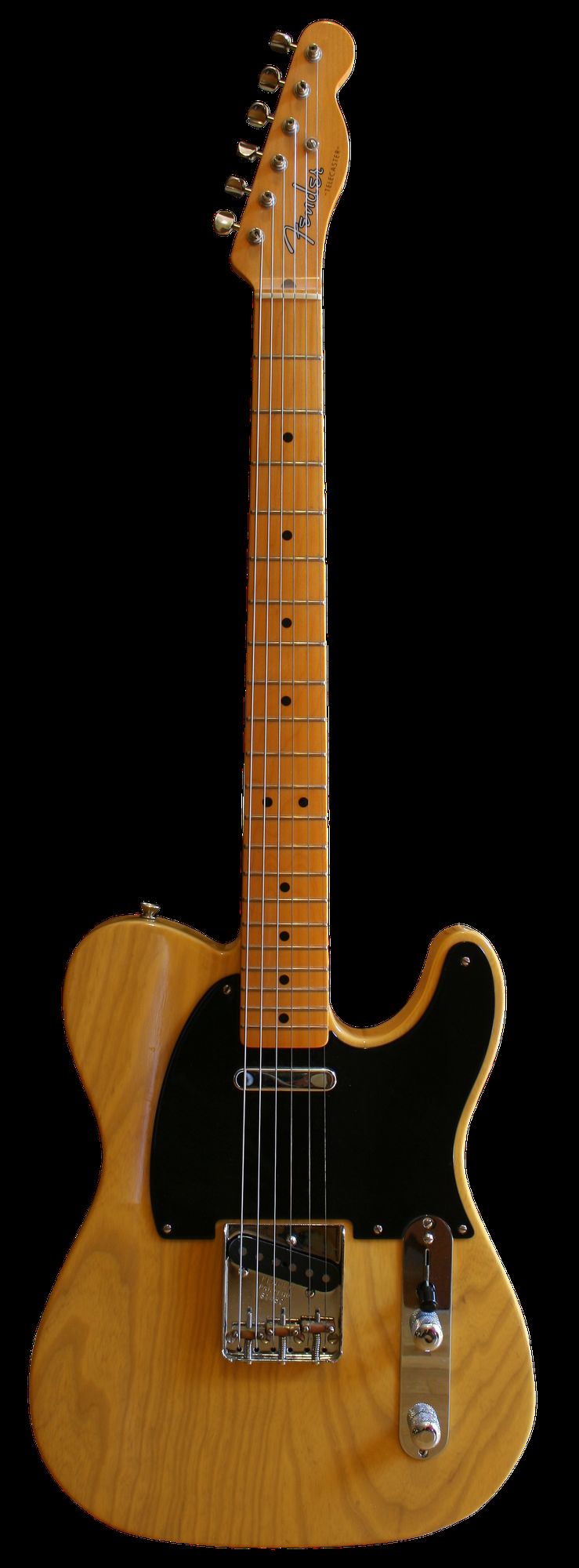
Which brings you to Olympic Studios in the autumn of 1968, where Zeppelin made their first album. Page’s chain is simple to say: his Telecaster, the main guitar on that record, into the MkII, into a Supro amp. What comes out is a fat, throaty midrange.
Put on “Dazed and Confused” and listen to how the guitar sits right in the middle of everything, not bright, not boomy, just huge. Then “How Many More Times,” the album’s closing track, same rig. “You Shook Me” has it too. The record came out in January 1969, and the first Zeppelin album is loaded with MkII.
B2
A few more seconds on the note
The Sola Sound name still sits with the Macari name. Macari’s has owned the brand, and the Tone Bender trademark in the UK and Europe, since 2007.
What you hear on that first Zeppelin record is three germanium transistors and two knobs, in a box a London shop sold to working players. There was no grand plan behind it.
Flick only wanted a bit more sustain. Page took it, plugged in a Telecaster and a Supro, and held the note for an entire album.
Put this on
You’ve read about it. Now hear it. Here’s what this pedal sounds like, and what to listen for.
Dazed and Confused
Page’s Telecaster into a MkII and a Supro amp, and that throaty midrange is all through it.
Find it on YouTube (opens in a new tab)How Many More Times
The same rig on the first album’s closing track, Telecaster, MkII, Supro.
Find it on YouTube (opens in a new tab)
The cast
The people who built it, and the players who made it famous.
1966
Gary Hurst
Designer
A former Vox electronics engineer who built the first Tone Bender in 1965, and whose name was on the MkII’s advert.
1964
Joe and Larry Macari
Sola Sound, Macari’s Musical Exchange
The brothers who created the Sola Sound brand and sold the Tone Bender through their London shops.
1965
Vic Flick
Session guitarist
Asked Hurst for a pedal that sounded like a Maestro Fuzz-Tone with more sustain, which is how the whole line started.
1969
Jimmy Page
Tone Bender MkII, Telecaster
Used one on guitar in the Yardbirds and in early Led Zeppelin, and the first Zeppelin album is full of it.
Often paired with
The pedals and guitars it usually shares a board or a record with.