Guitars, page 3
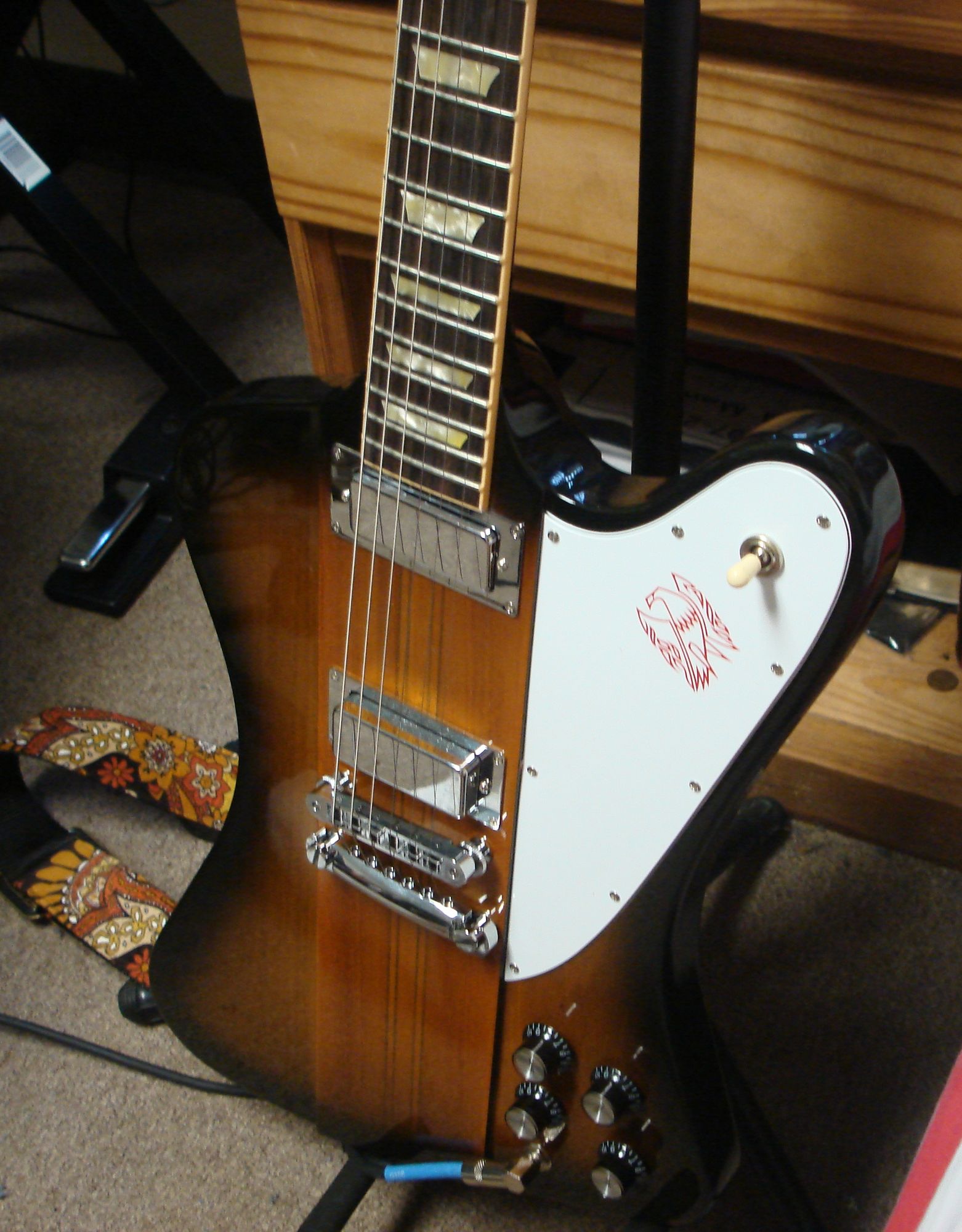
Gibson Firebird V. Photo by Jones629. Public domain (PD-self). Via Wikimedia Commons. Gibson
Firebird
1963
Gibson fixed the Firebird in 1965. Players have been hunting for the unfixed one ever since.
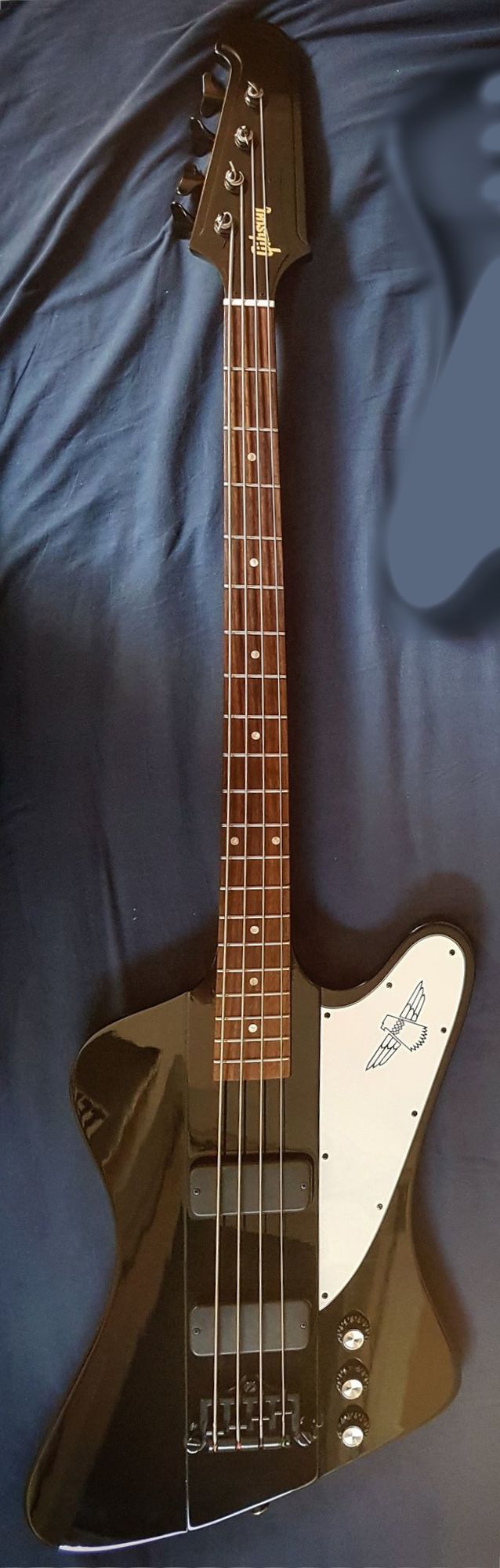
2013 Gibson Thunderbird ebony, clipped from a two-bass photograph. Original photo by MaxVaudous; derivative by Clusternote. Licensed under CC BY-SA 4.0. Via Wikimedia Commons. Gibson
Thunderbird
1963
John Entwistle thought the neck was too thin. So he kept the body and changed the neck.
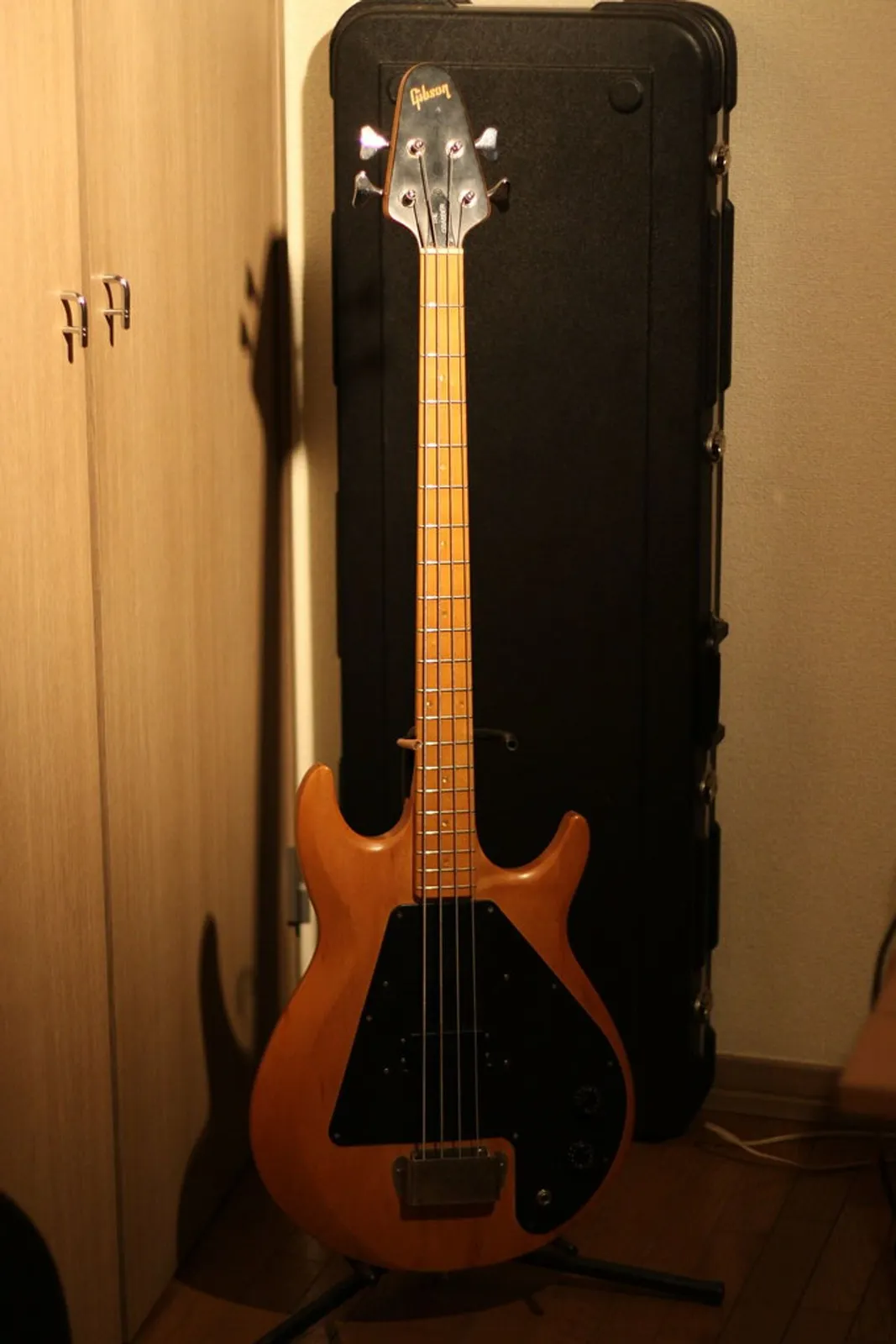
Photo: zenmai461 / Flickr / CC BY 2.0 Gibson
Grabber
1973
Gibson named its cheapest bass after what your hand did to the pickup: grab it and slide it.
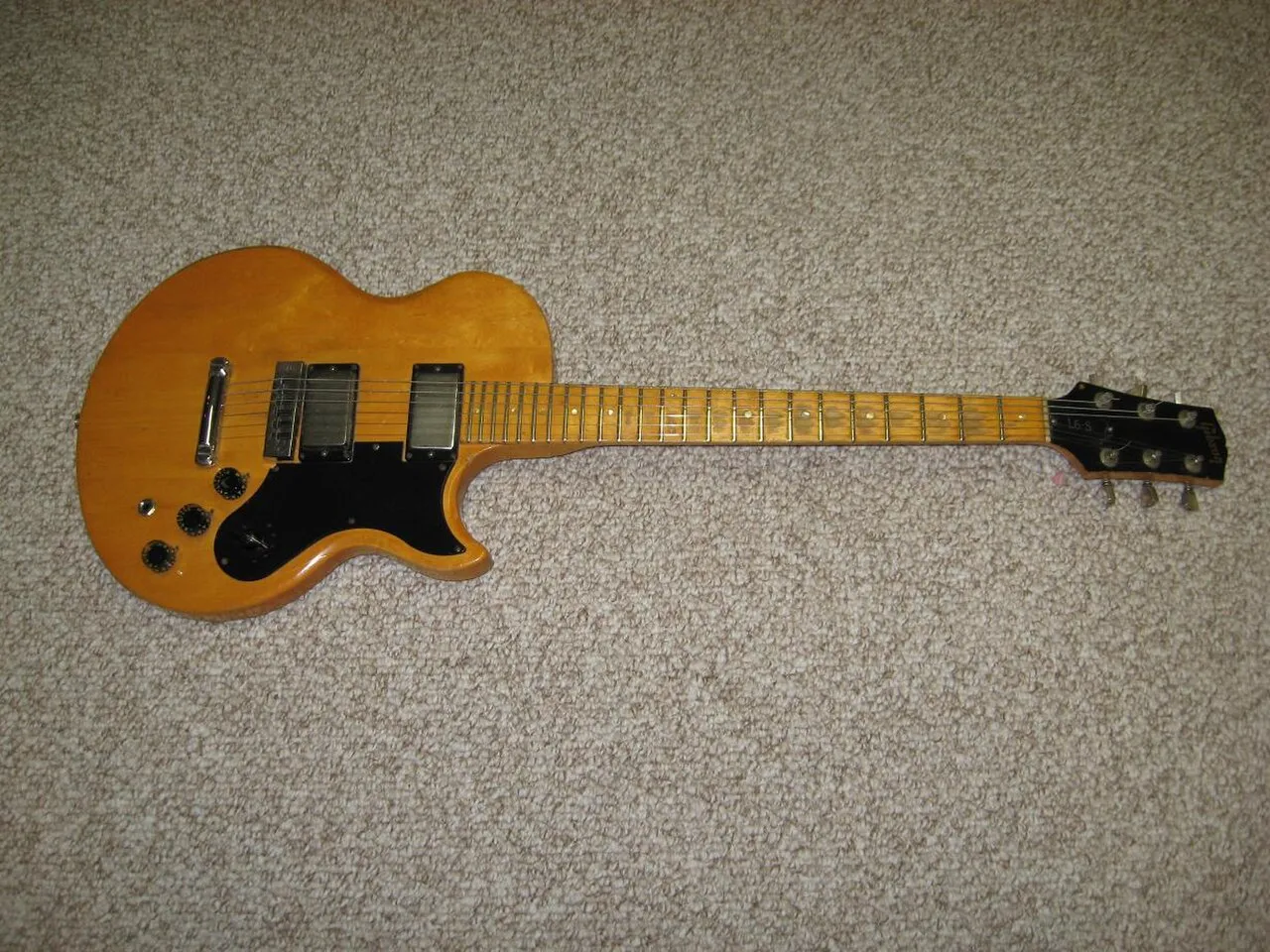
Photo: Glamafez / Wikimedia Commons / Public domain Gibson
L-6S
1973
Bill Lawrence drew a guitar with nine sounds. The budget cut it to six. Santana called it his rainbow.
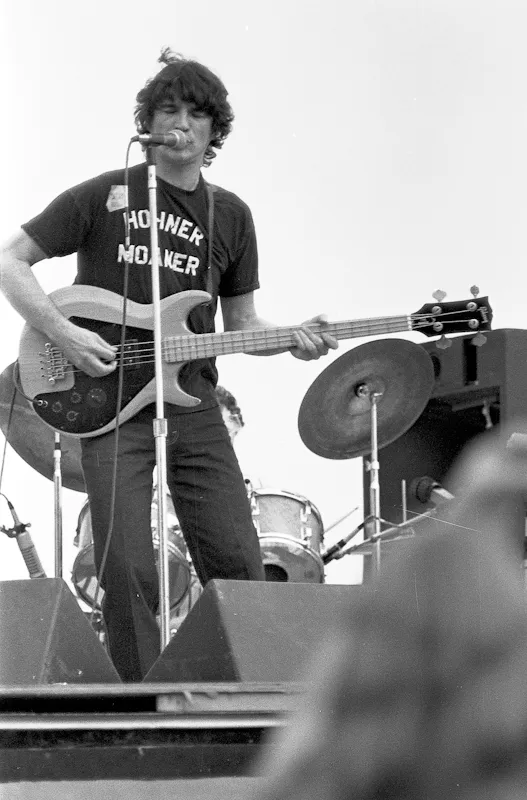
Photo: Rtsanderson / Wikimedia Commons / CC BY-SA 3.0 Gibson
Ripper
1973
A bass so complicated Gibson pressed a record to explain it. The best review took one sentence.
- Send a picture
Gibson
RD Artist
1977
Gibson put a Moog inside it, then blamed the outside. The outside is the part that lasted.
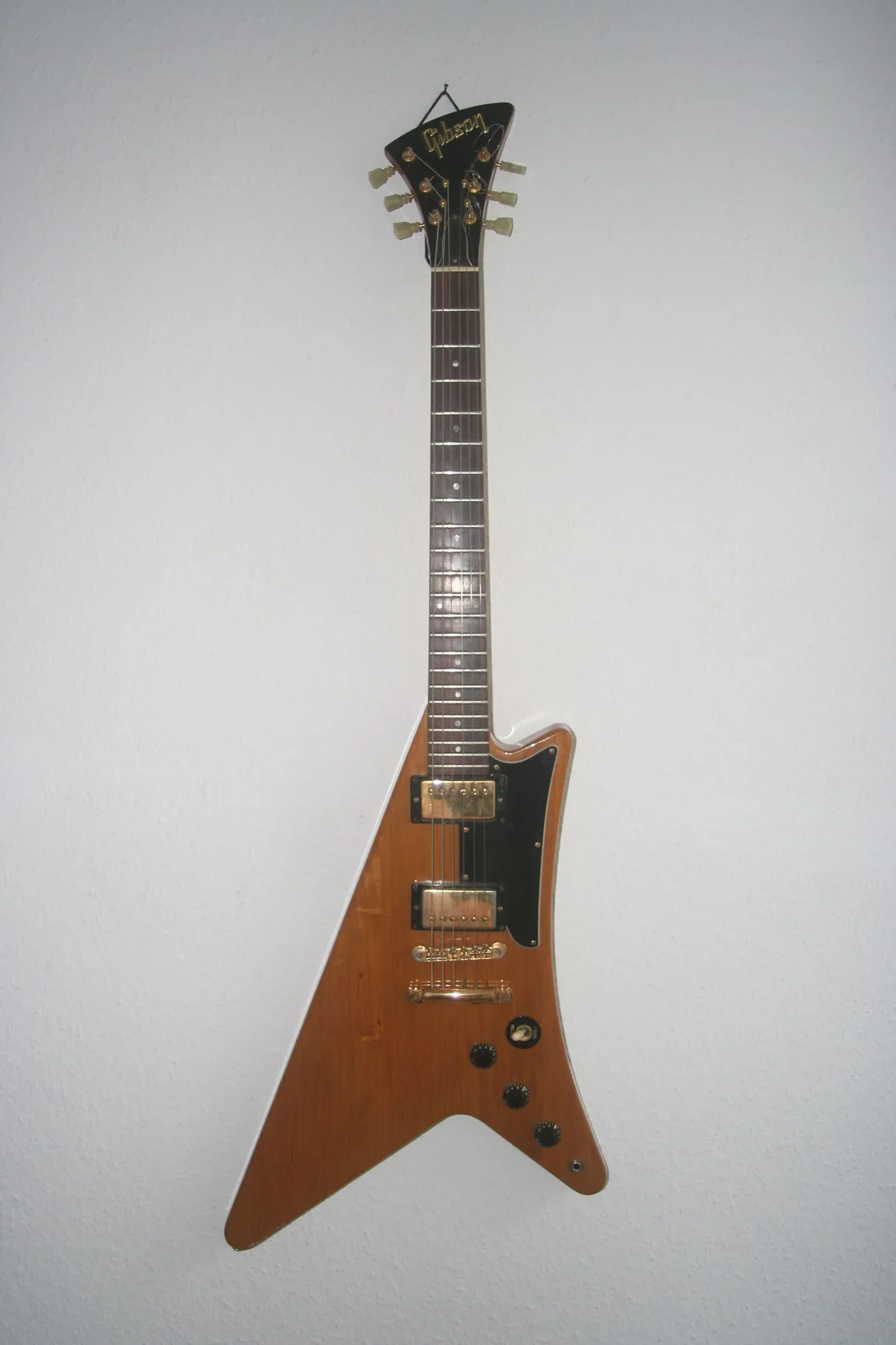
Photo: de:User:Guitarpimp / Wikimedia Commons / CC BY 3.0 Gibson
Moderne
1982
Gibson patented it in 1958. One man says he could have had one for $50. Nobody has ever proved one existed.
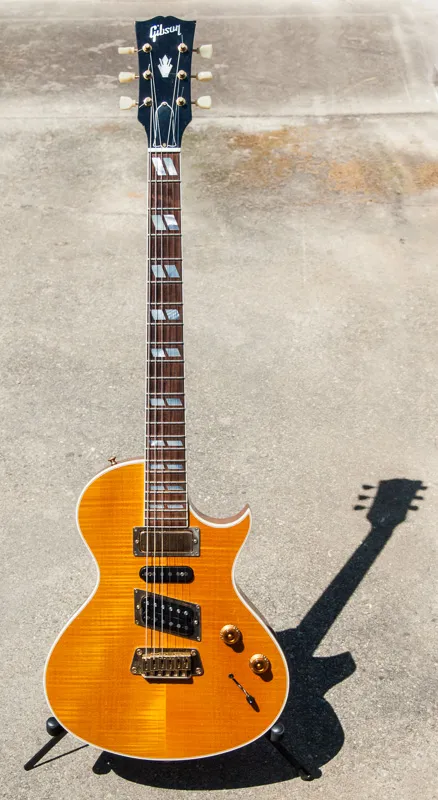
Photo: Craig418 / Wikimedia Commons / CC BY-SA 3.0 Gibson
Nighthawk
1993
From across the room it’s a Les Paul. Up close it’s Gibson trying to do a Stratocaster’s job.
- Send a picture
Gibson
Blueshawk
1996
It looks like a small Les Paul, plays on a Fender scale, and hides a coil that never hears the strings.
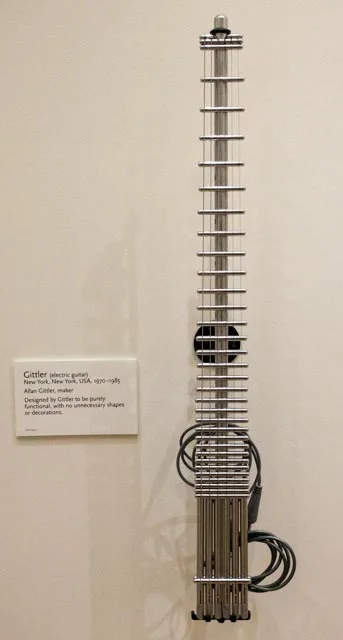
Photo: Frank Kovalchek from Anchorage, Alaska, USA / Wikimedia Commons / CC BY 2.0 Gittler
Gittler
1975
Allan Gittler kept taking parts off a guitar until all that was left was the guitar.
- Send a picture
Godin
Multiac
1993
A nylon-string guitar that can stand next to a drummer, and talk to a synthesizer while it’s at it.
- Send a picture
Goya
Rangemaster
1966
It has nine buttons where one switch would do, and more than half a century later they still work.
- Send a picture
Gretsch
Synchromatic
1939
Gretsch’s answer to Gibson had cat’s eyes, a harp, and a neck with no rod in it. The files burned.

Photo: Raph_PH / Wikimedia Commons / CC BY 2.0 Gretsch
Duo Jet
1953
George Harrison bought his used in Liverpool as a teenager. In 1987 he put it on an album cover.
- Send a picture
Gretsch
Country Club
1954
Same body as the White Falcon, none of the glitter, and hardly any famous owners.
- Send a picture
Gretsch
Rancher
1954
The experts call it a stage prop. That’s exactly why the movies kept casting it.
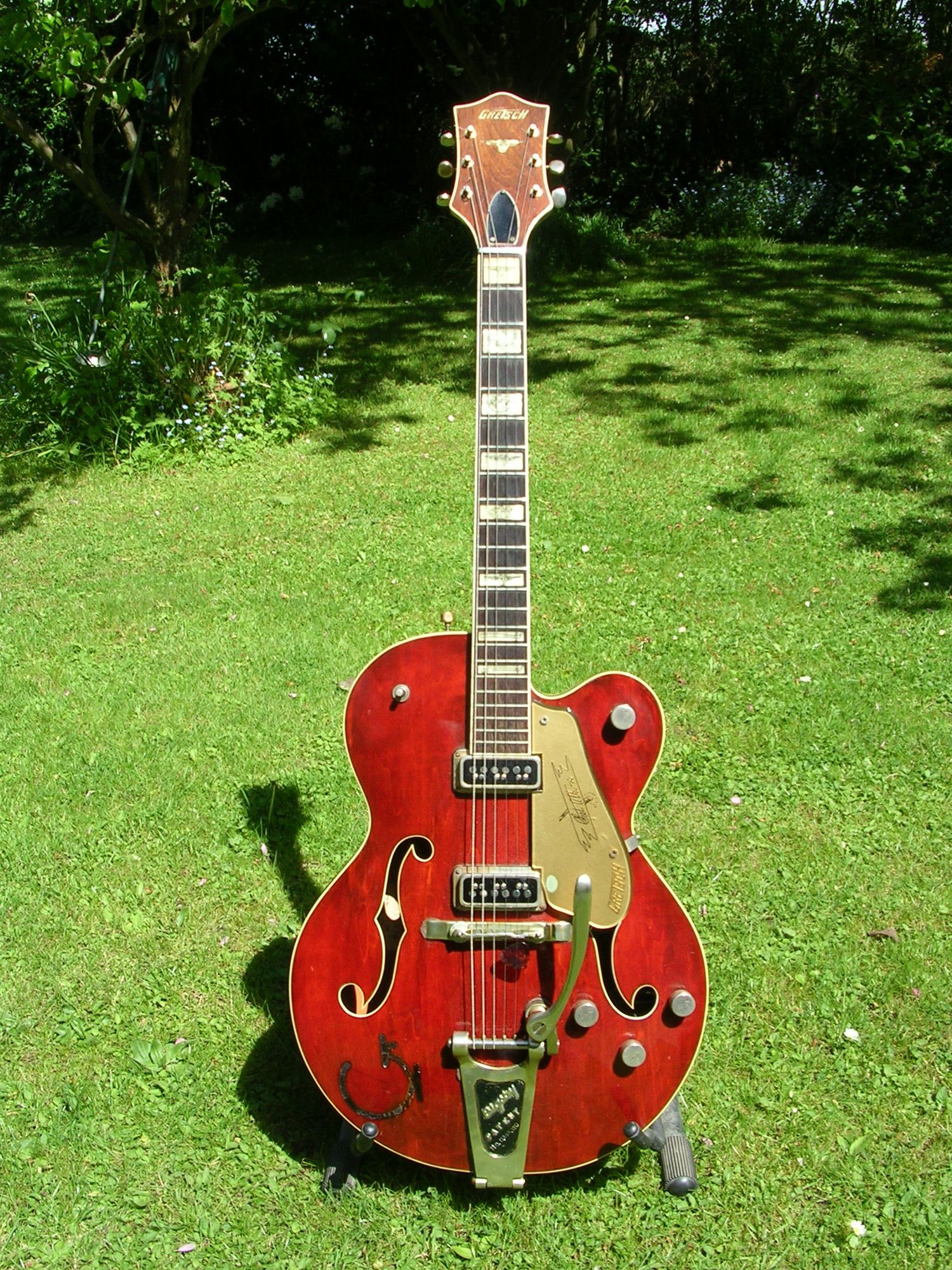
Gretsch 6120 G-Brand 1955. Photo by Francis pullen. Public domain (PD-self). Via Wikimedia Commons. Gretsch
6120
1955
Joe Walsh gave Pete Townshend one. Steve Miller gave Brian Setzer one. Chet Atkins just lent it his name.
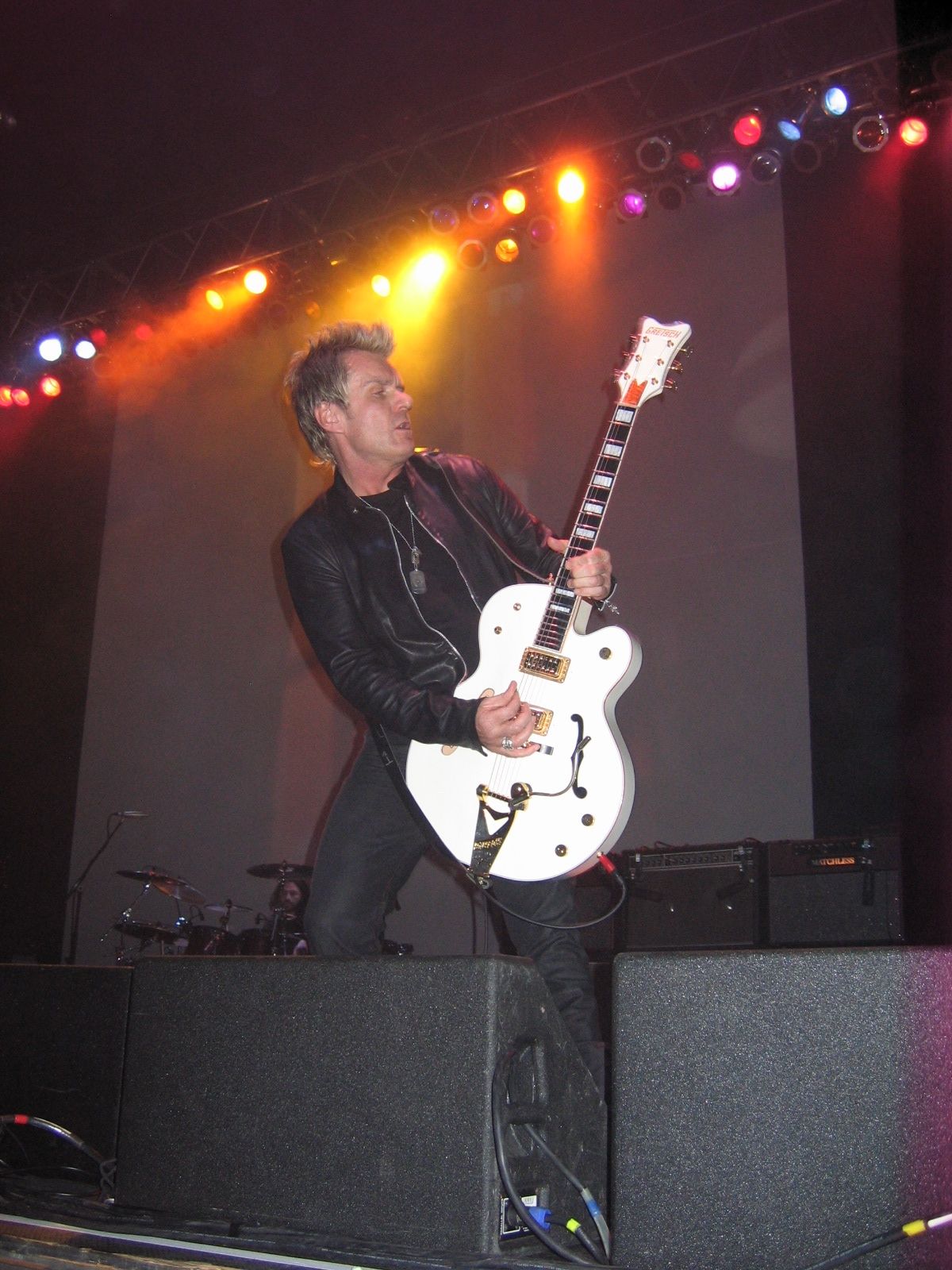
Photo: Veronica Perina / Wikimedia Commons / CC BY 3.0 Gretsch
White Falcon
1955
Gretsch built it to stop people in the aisle of a trade show. It never stopped doing that.
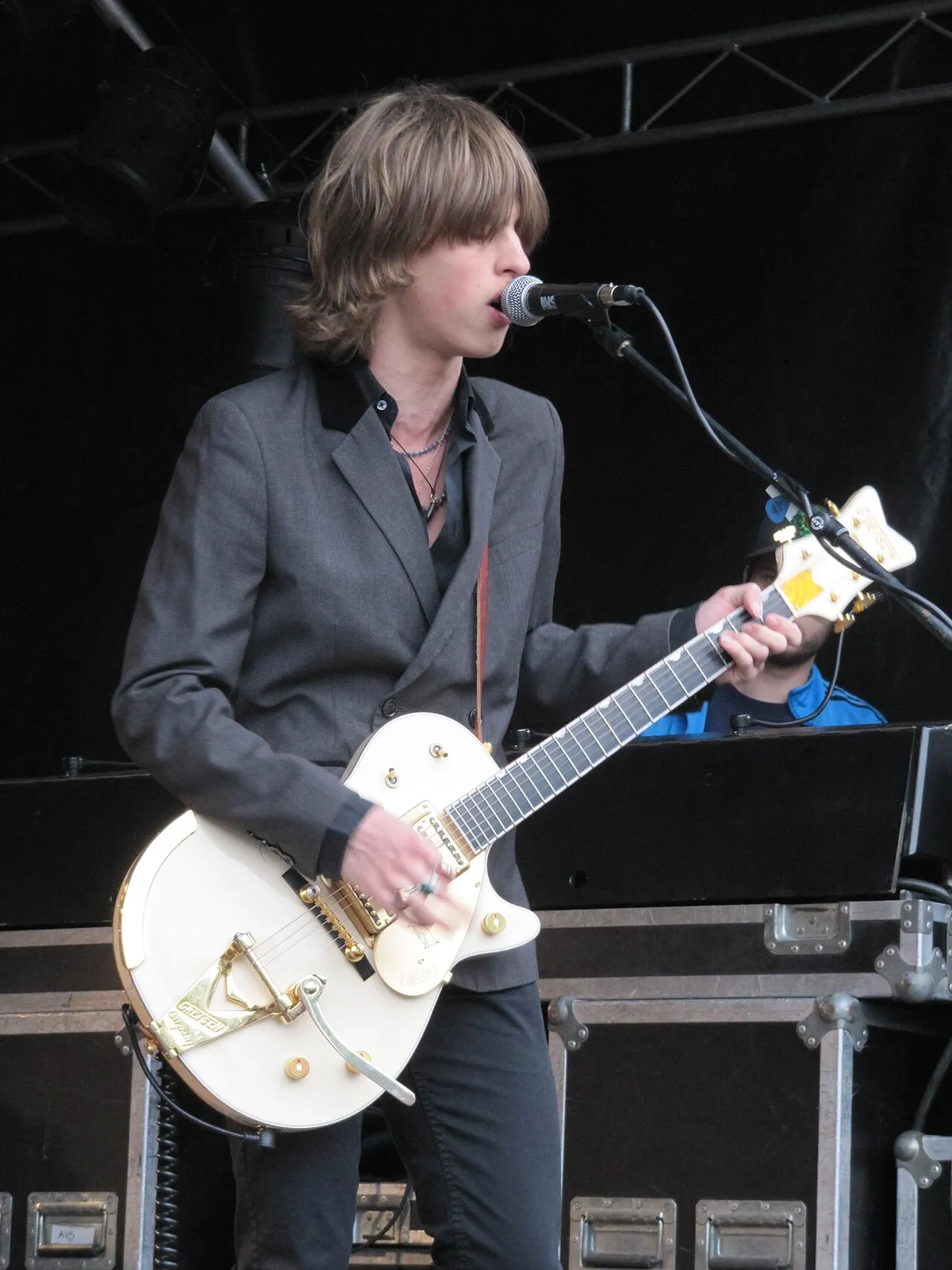
Photo: Erik1980 / Wikimedia Commons / CC BY-SA 3.0 Gretsch
White Penguin
1955
Gretsch barely bothered to sell it. So every White Penguin anybody knows about had to be found.
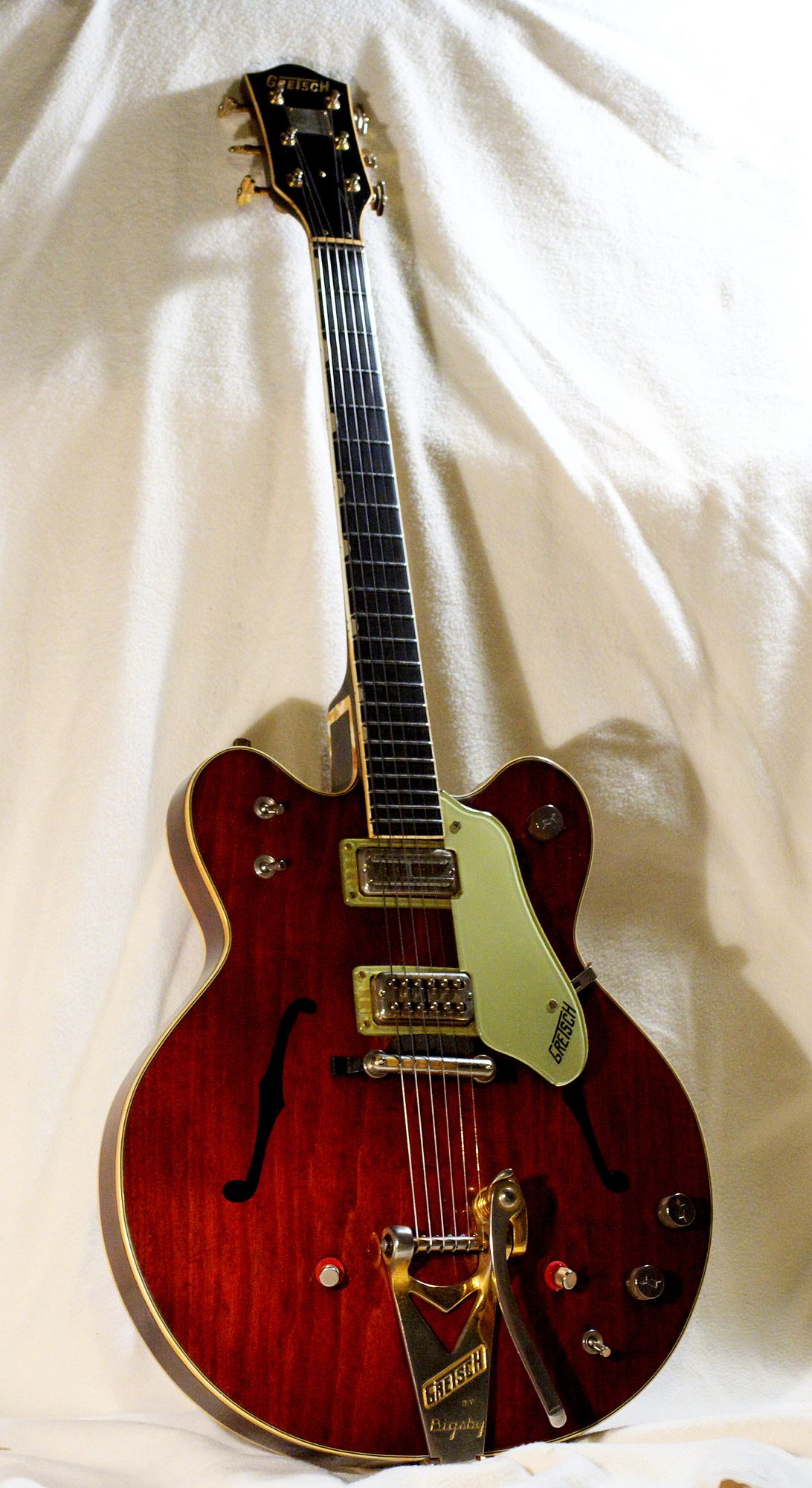
Gretsch Country Gentleman 1964, 6122 Chet Atkins Country Gentleman. Photo by matanao. Public domain (PD-self). Via Wikimedia Commons. Gretsch
Country Gentleman
1957
Chet Atkins asked for a guitar without the cowboy flash. On Ed Sullivan, it didn’t even show its color.
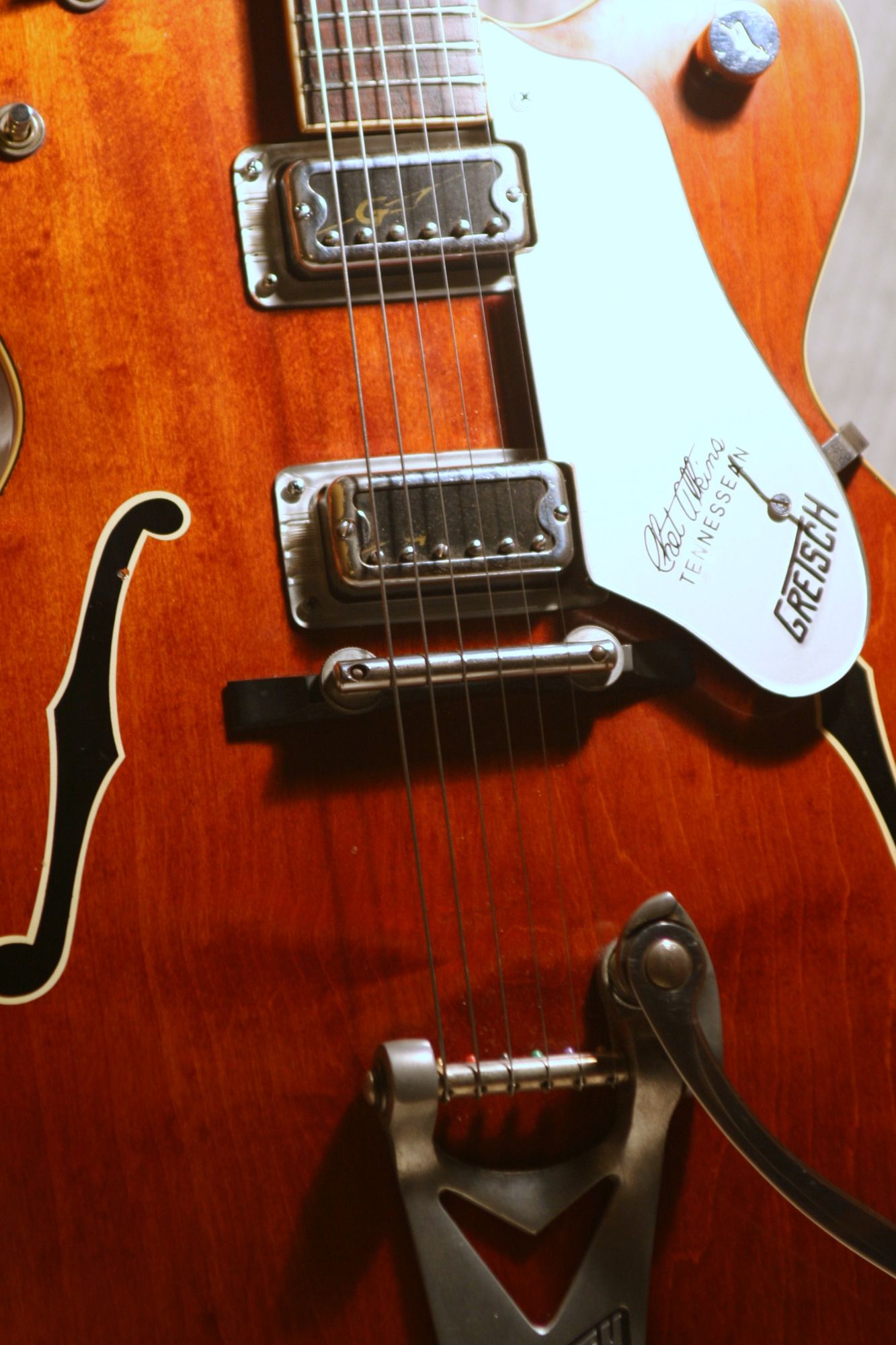
Gretsch 6119 Tennessean 1966. Photo by matanao. Licensed under CC BY-SA 3.0. Via Wikimedia Commons. Gretsch
Tennessean
1958
The cheap Chet Atkins Gretsch: one pickup, $295. It’s the guitar on the intro to “House of the Rising Sun.”
- Send a picture
Grez
Mendocino
2017
Grez kept making the guitar smaller, and more people kept buying it. He stopped at thirteen inches.
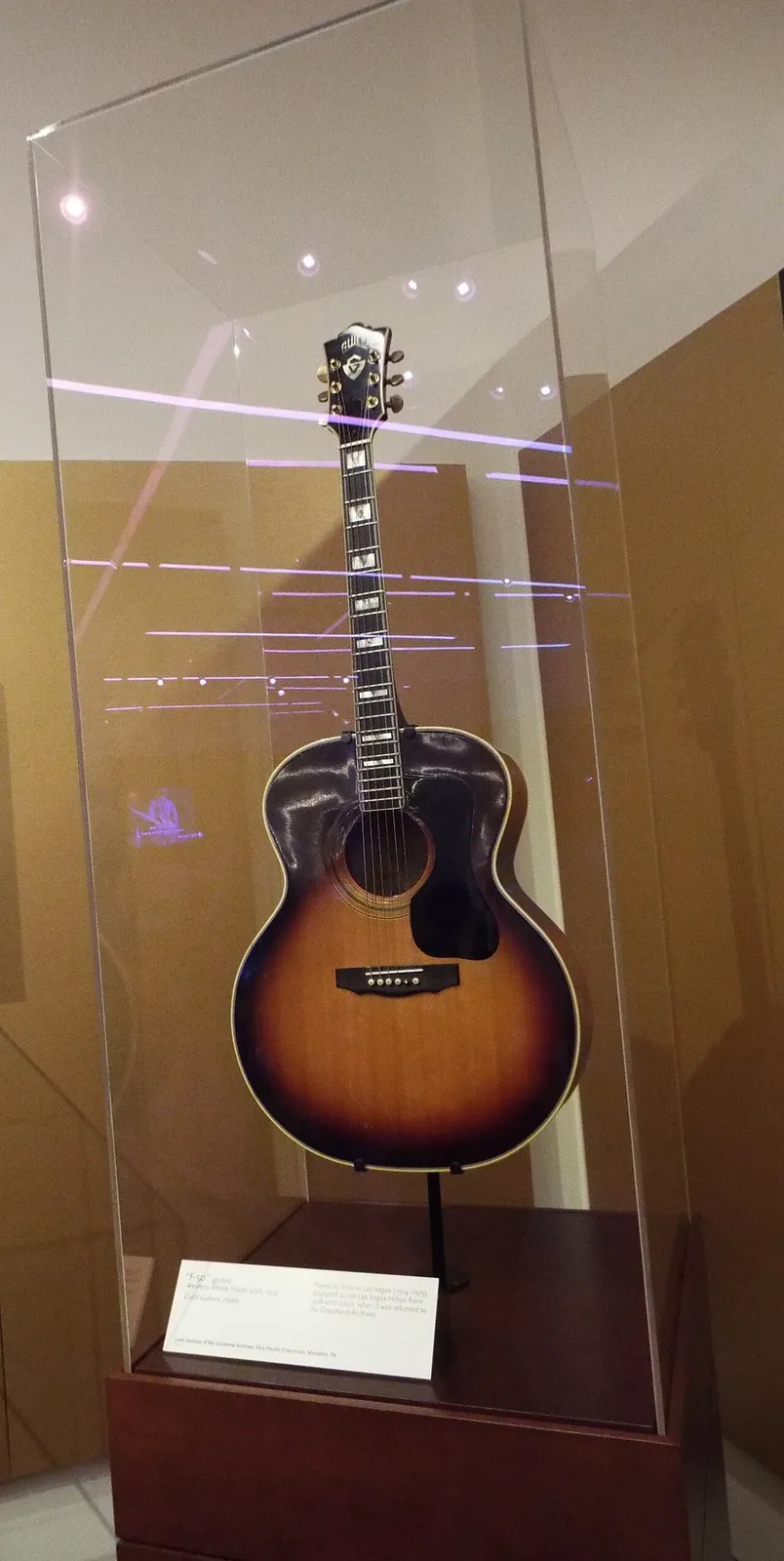
Photo: Marine 69-71 / Wikimedia Commons / CC BY-SA 4.0 Guild
F-50
1954
Guild built its fanciest jumbo around a shortcut from the archtop shop. Seventy years on, it still hasn’t let go.
- Send a picture
Guild
M-20
1958
Guild’s plainest guitar trained a new factory’s workers, then ended up on the cover of a Nick Drake album.
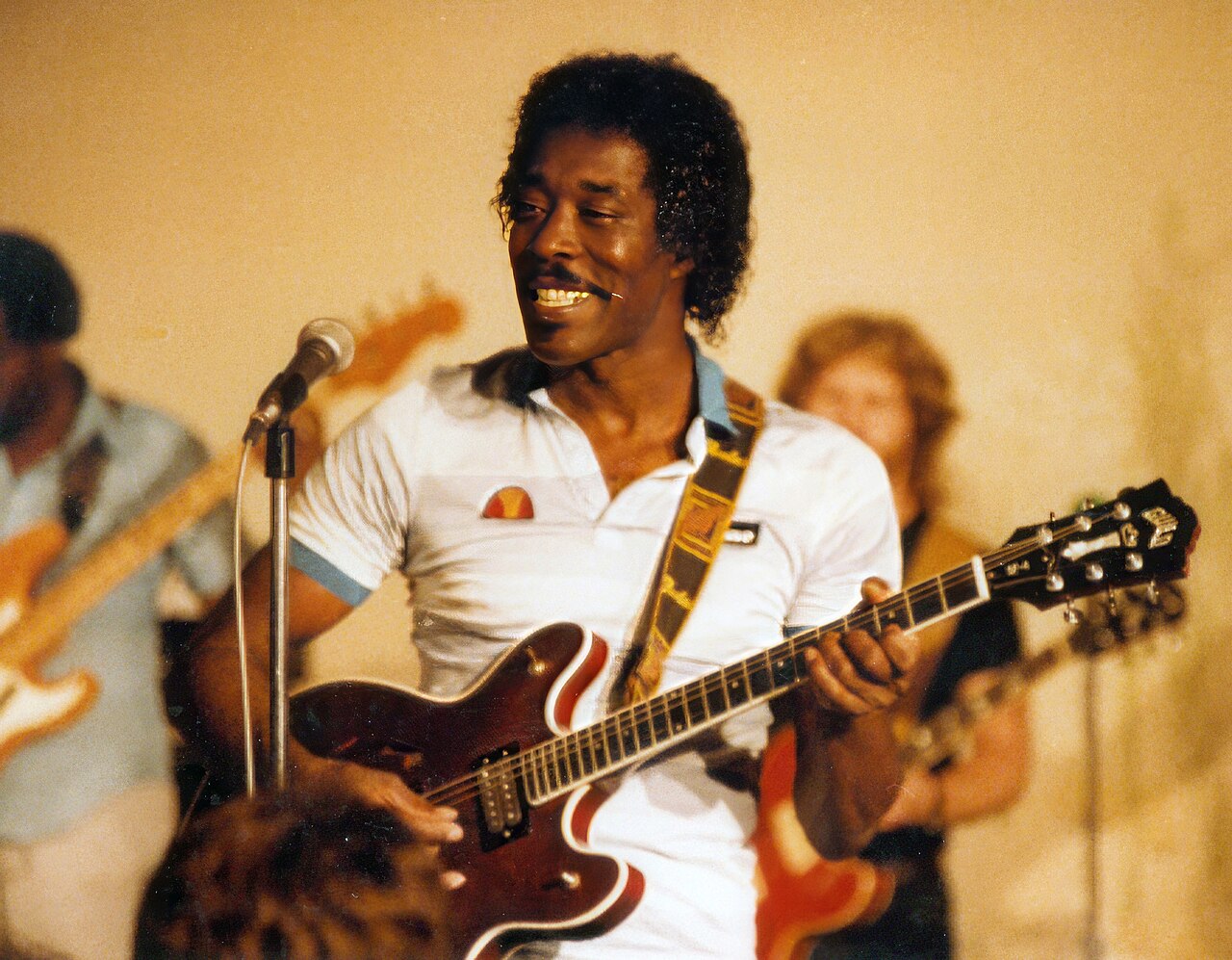
Photo: Bubba73 / Wikimedia Commons / CC BY-SA 3.0 Guild
Starfire
1960
Before they were the Grateful Dead, they were the Warlocks, and Jerry Garcia was playing a Guild Starfire.
- Send a picture
Guild
D-55
1968
Guild’s D-55 got its name from television. It kept its place as the guitar people play with the cameras off.
- Send a picture
Guild
Bluesbird
1970
Guild took the name off the price list in 1974. The players kept calling it a Bluesbird anyway.
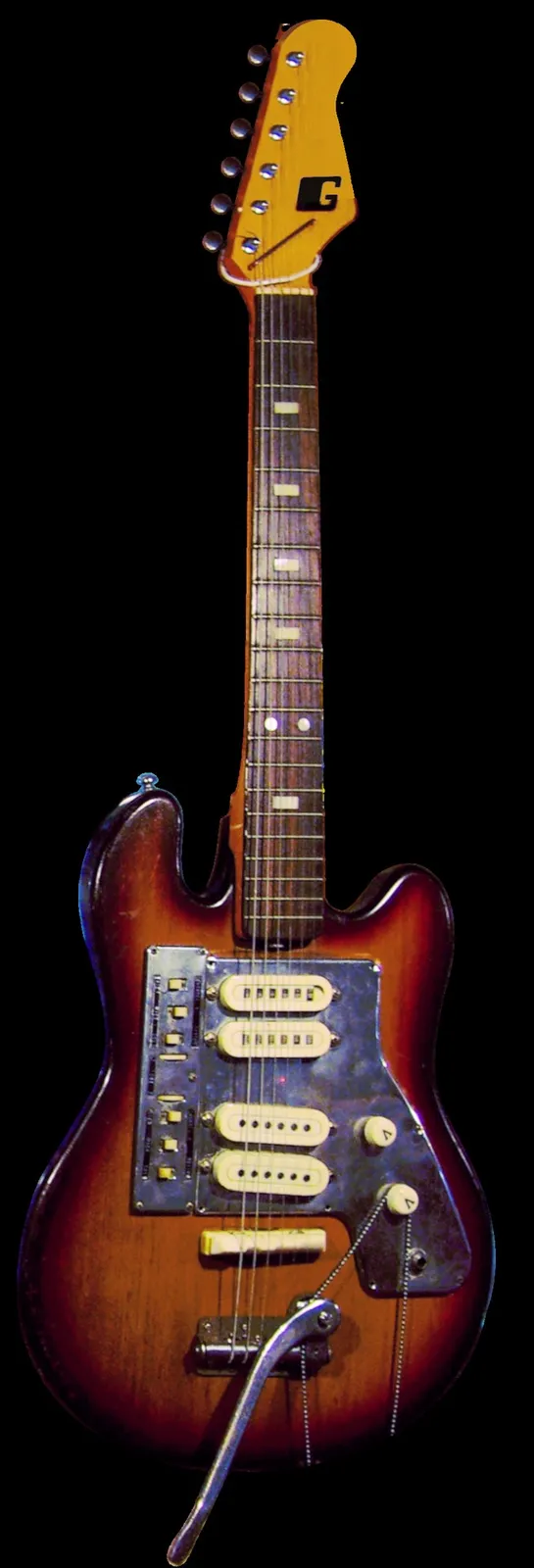
Photo: Brice Argenson / Wikimedia Commons / CC BY-SA 2.0 Guyatone
LG-140T
1964
Four pickups, a slider for each, and at least three names. Every famous Guyatone is a different model.
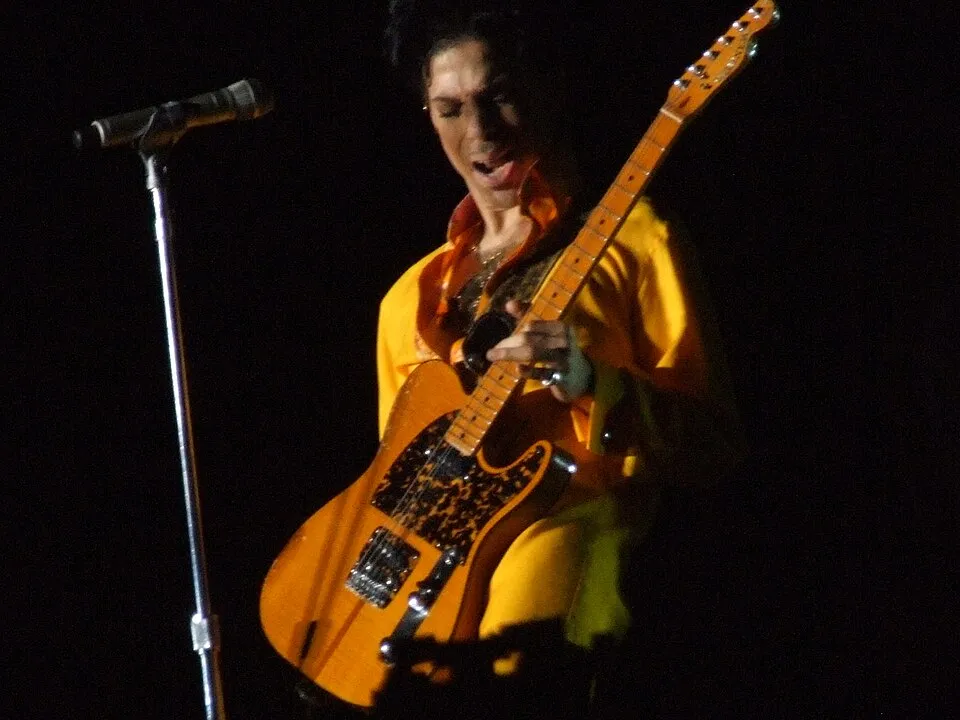
Photo: Scott Penner / Wikimedia Commons / CC BY-SA 2.0 H.S. Anderson
Madcat
1973
It was built in Japan to be anything but a Telecaster copy. Then Prince made it famous as his Tele.
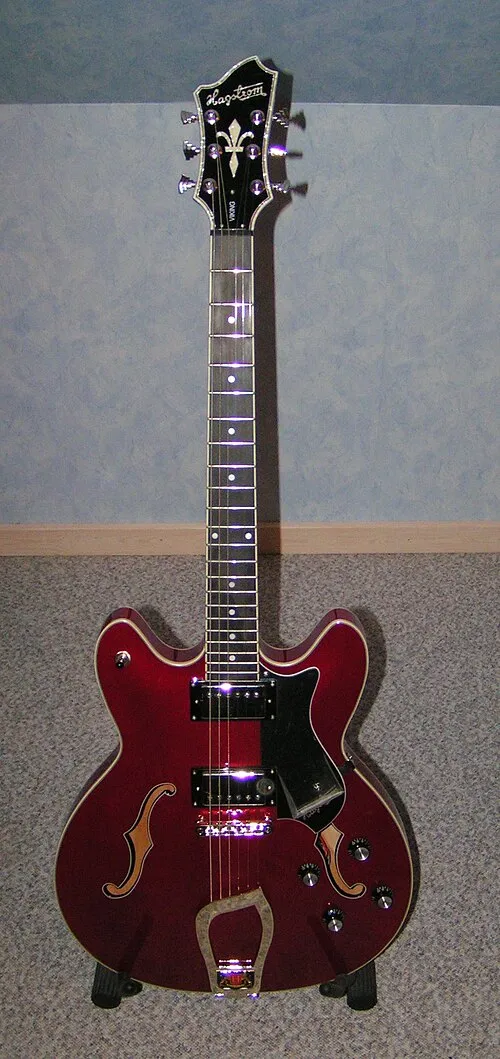
Photo: Søren1234 / Wikimedia Commons / Public domain Hagstrom
Viking
1965
Elvis needed something flashy for the Comeback Special. A session man had a Swedish guitar in his trunk.
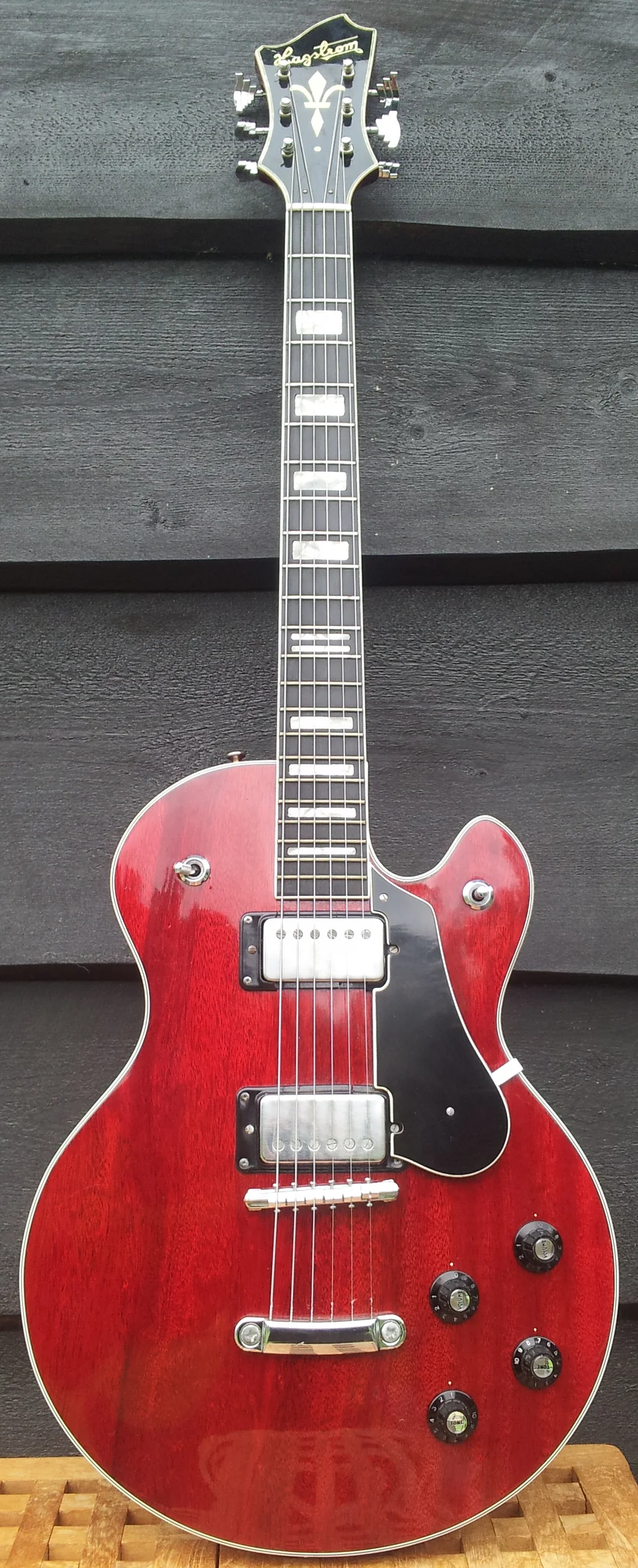
Photo: Kaitil / Wikimedia Commons / CC BY-SA 4.0 Hagstrom
Swede
1970
The first ones said L.P. on them. Then Hagstrom named the guitar after where it came from.
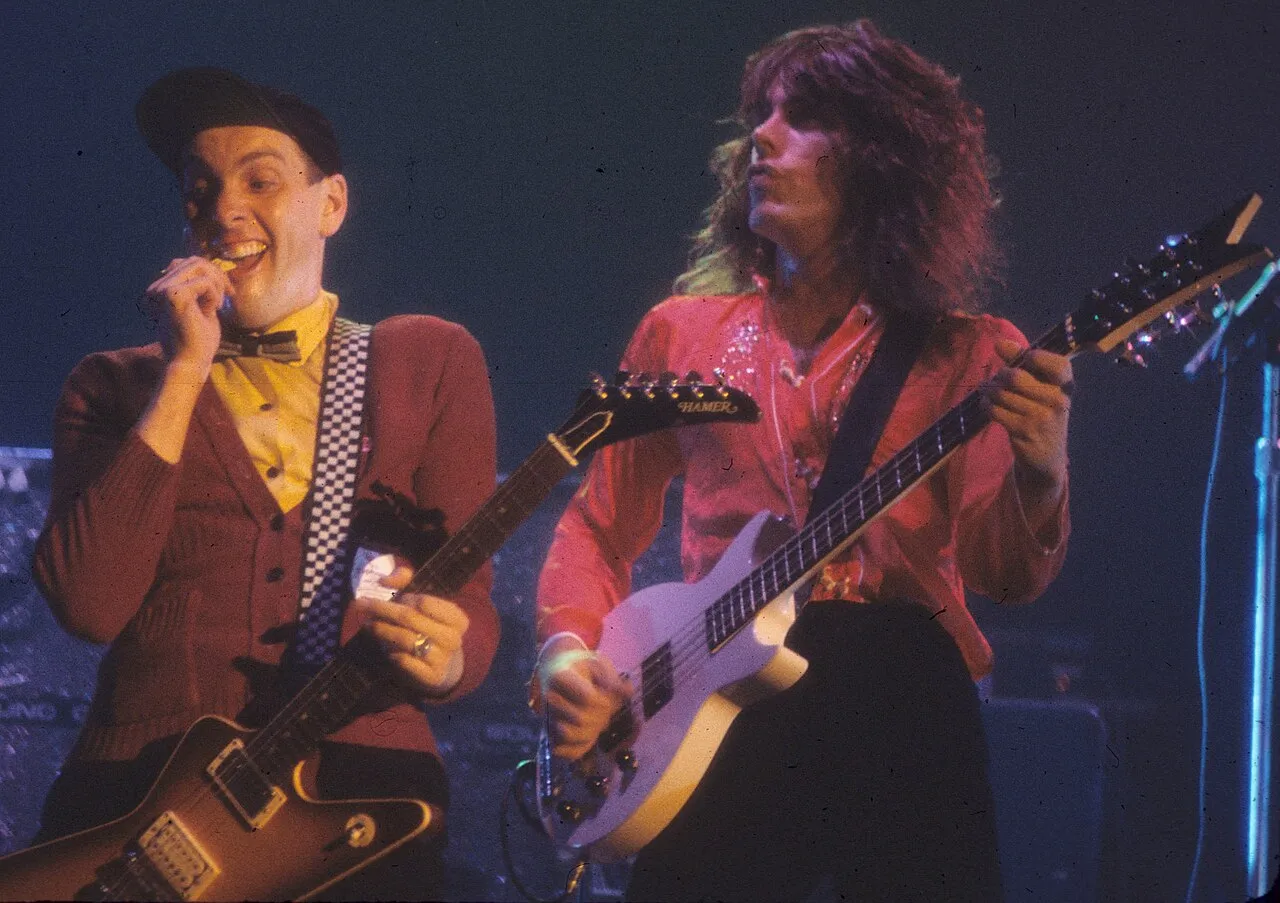
Photo: Carl Lender / Wikimedia Commons / CC BY-SA 3.0 Hamer
Standard
1974
They built the first one for Paul Hamer. It ended up with Rick Nielsen, and he still has it.
- Send a picture
Hamer
Phantom
1982
Hamer built Andy Summers a guitar out of his own ideas. He still went back to his Telecaster.
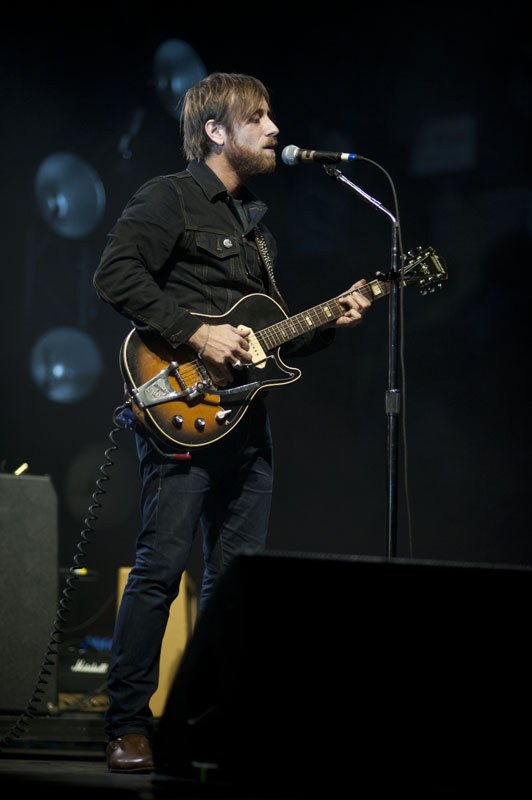
Photo: Weekly Dig / Wikimedia Commons / CC BY 2.0 Harmony
Stratotone
1952
In 1954 a Strat cost about $250. Harmony’s Stratotone cost $64.50, and it had the name first.
- Send a picture
Harmony
Rocket
1959
Chris Stein started on one at twelve. Decades later, Jack White was swapping one in for his Airline.
- Send a picture
Heritage
H-150
1988
Gibson left Kalamazoo. A few of the people who built its guitars stayed in the building and kept going.
- Send a picture
Höfner
Club 40
1955
John Lennon and George Harrison both saw a Club 40, and in John’s words, both “thought it was the end.”
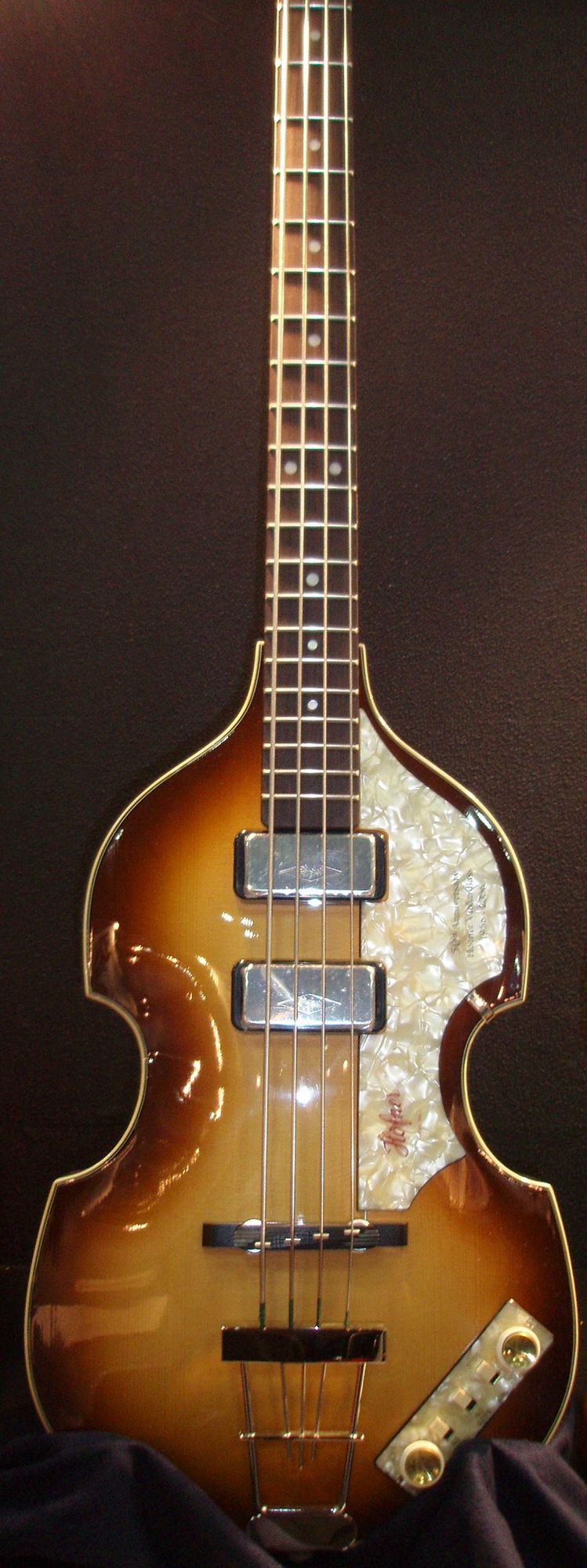
Höfner 500/1 Anniversary RH, equal to a ’61 Cavern Bass layout. Photo by CasinoKat. Licensed under CC BY-SA 3.0. Via Wikimedia Commons. Höfner
500/1
1956
McCartney bought the bass he could afford in Hamburg. It was stolen in 1972, and it came home in 2024.
- Send a picture
Huss & Dalton
CM
1997
The rest of the Huss & Dalton catalog is other people’s shapes. The CM is the one they drew themselves.
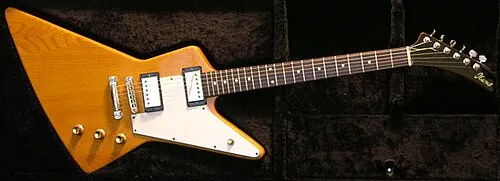
Photo: TheDestroyerGuy / Wikimedia Commons / Public domain Ibanez
Destroyer
1975
Ibanez copied the Explorer, right up until Gibson sued. Eddie Van Halen got a sound out of it nobody could copy.
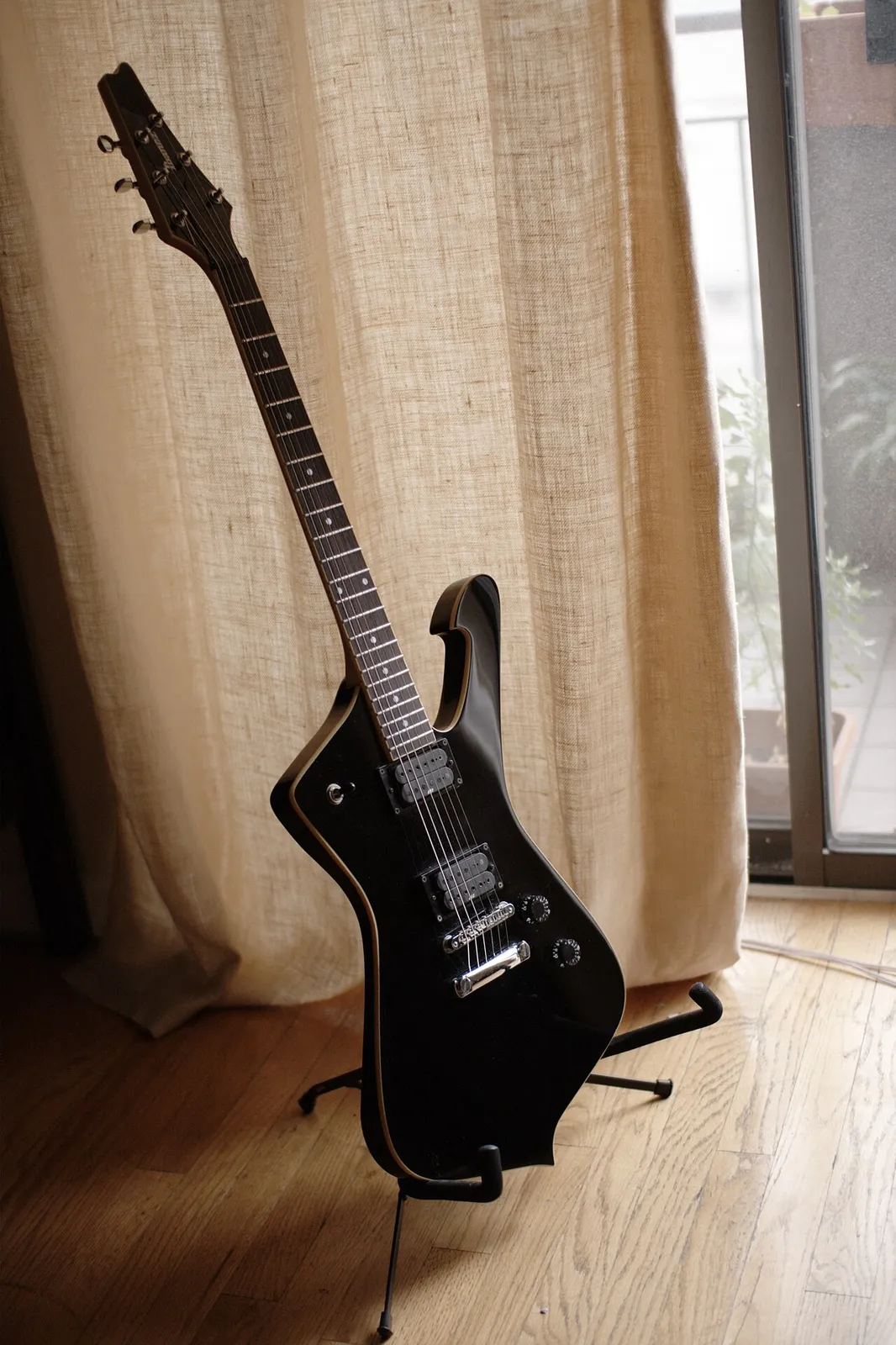
Photo: anders pearson / Wikimedia Commons / CC BY-SA 2.0 Ibanez
Iceman
1975
Ibanez drew this one itself in 1975. When the lawyers made the copies go away, it got to stay.
- Send a picture
Ibanez
Musician
1978
Ibanez chased sustain with a wooden sandwich, brass, and a three-band EQ. Everything it added, you carried.
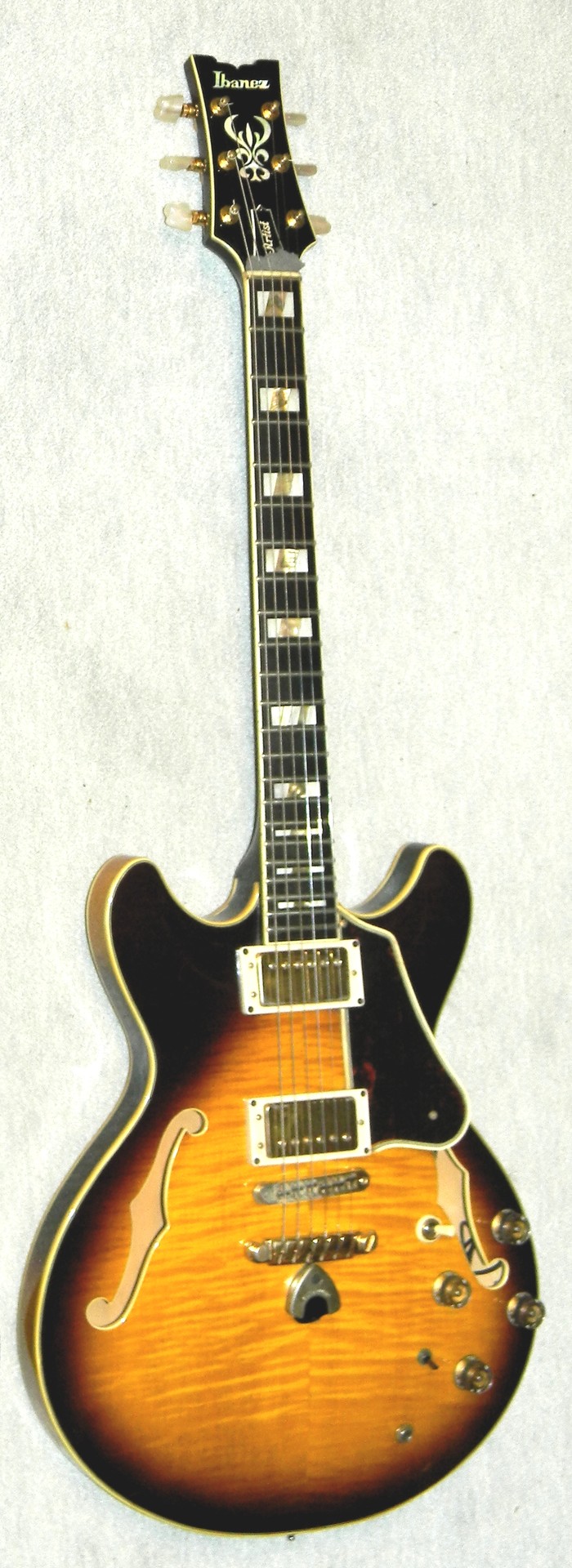
Photo: NSX-Racer / Wikimedia Commons / CC BY 3.0 Ibanez
AS200
1979
Ibanez handed John Scofield one in 1981. Twenty years later, they had to scan his to remember how it was made.
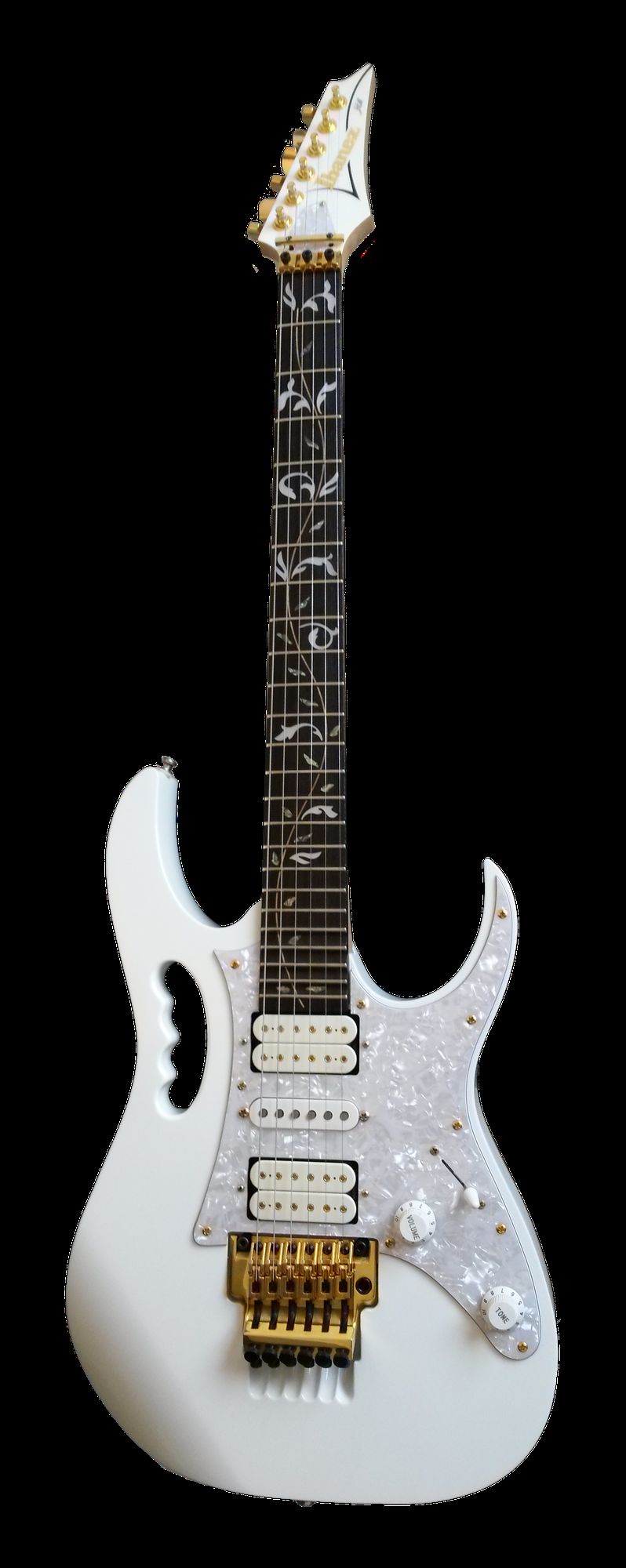
Ibanez Jem 7VWH vertical. Photo by Rachmaninoff; upright derivative by GreyCat. Licensed under CC BY-SA 4.0. Via Wikimedia Commons. Ibanez
JEM
1987
Steve Vai wanted a handle through the body and a finish that matched his curtains. Ibanez put it in the catalog.
- Send a picture
Ibanez
RG550
1987
Nobody’s name on it. Just a thin neck, 24 frets, and a locking trem, and it keeps coming back.
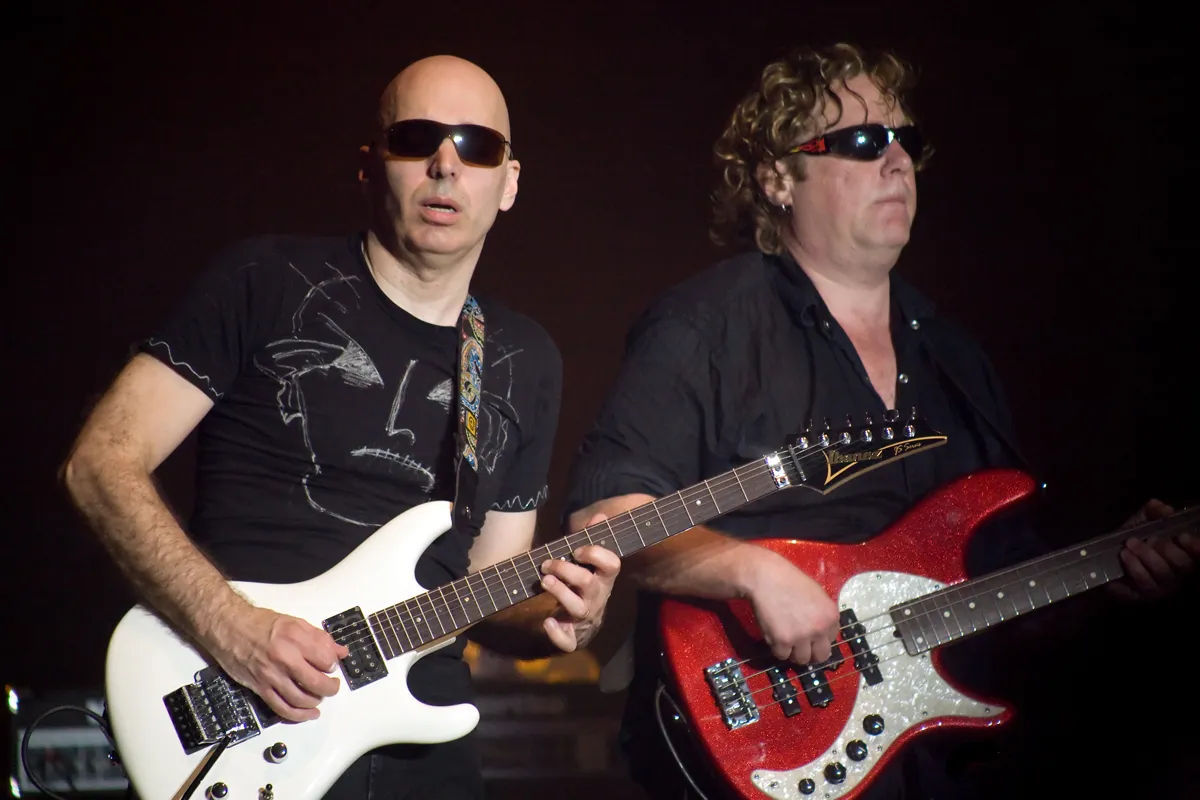
Photo: Victor Peters (yours truely) / Wikimedia Commons / CC BY-SA 4.0 Ibanez
JS
1990
A Les Paul dug into Joe Satriani’s forearm. Ibanez built him a guitar that didn’t.
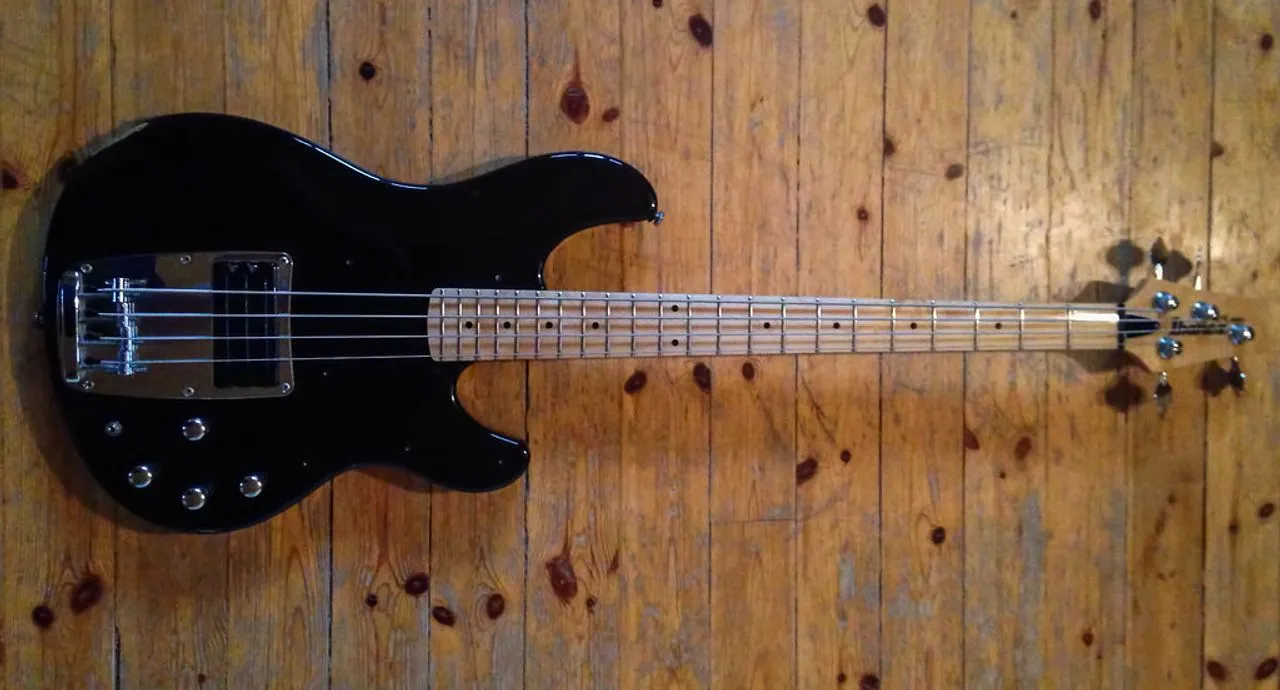
Photo: Don Wright / Flickr / CC BY 2.0 Ibanez
ATK 300
1994
Ibanez called it the anti-Soundgear: a big ash body, a thick neck, and one huge pickup at the bridge.
- Send a picture
Ibanez
Talman
1994
Named for a bluesman who never existed, it kept getting dropped, and players kept asking for it back.